AP Physics C - Newton's Laws of Motion
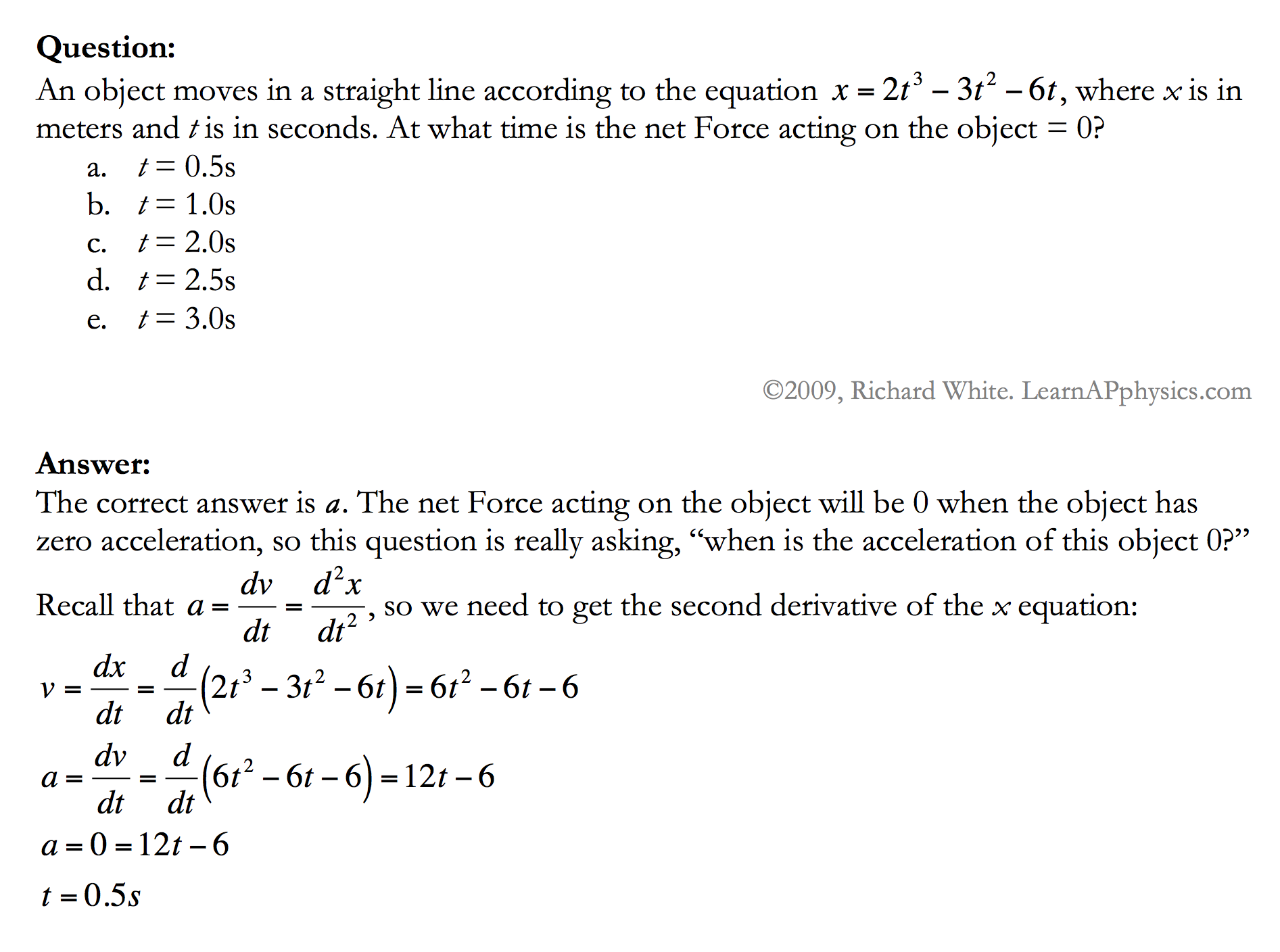
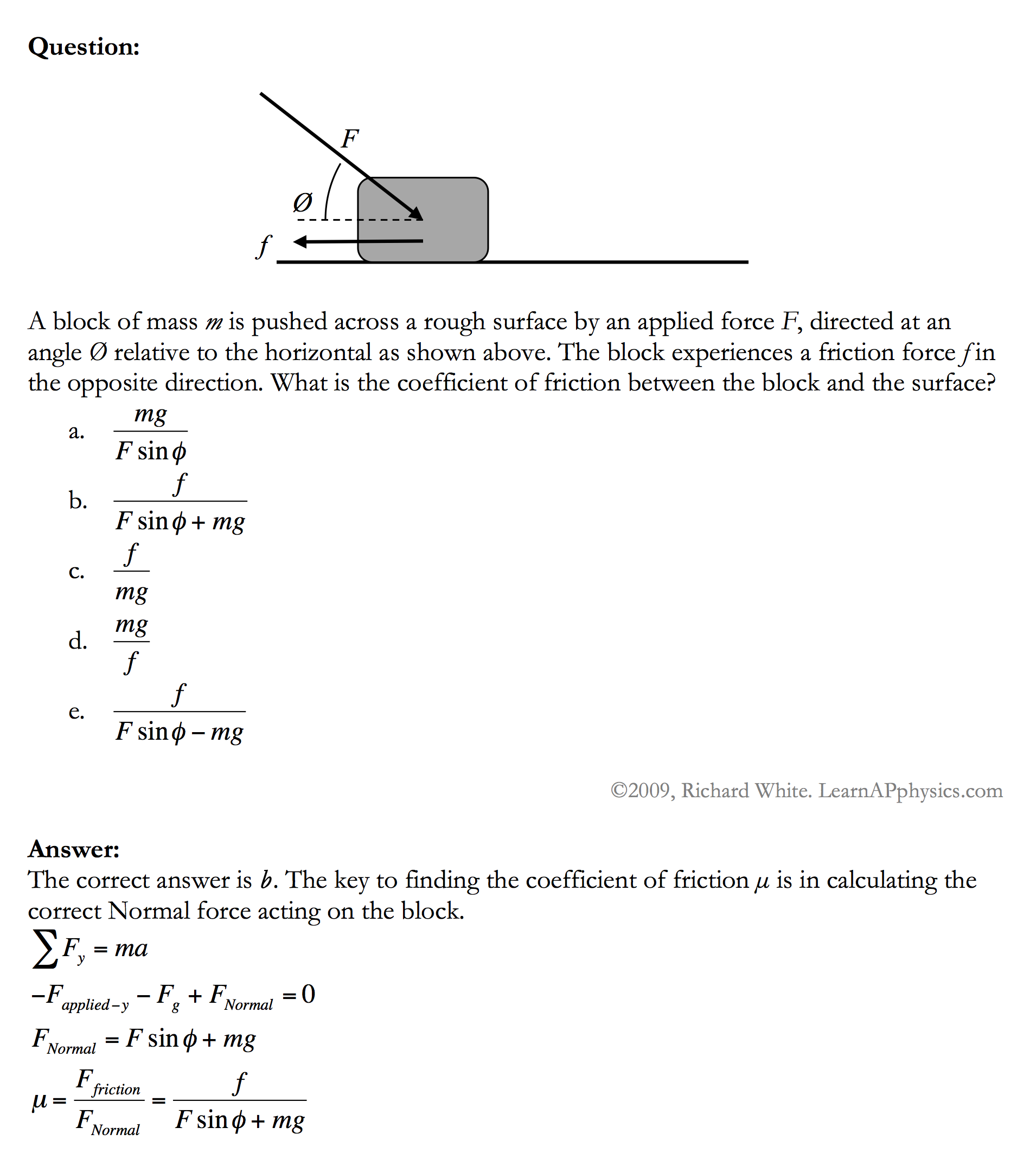
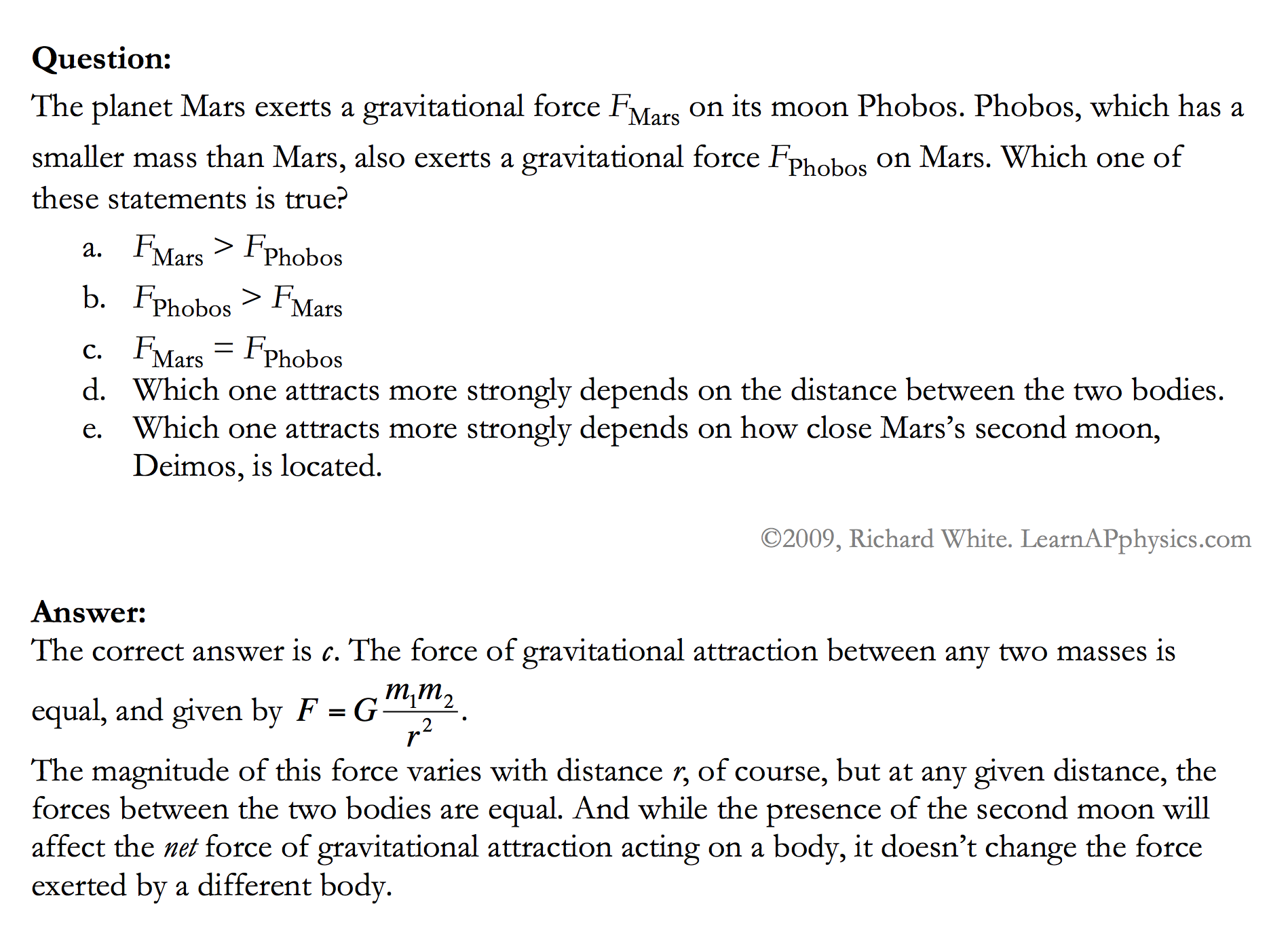
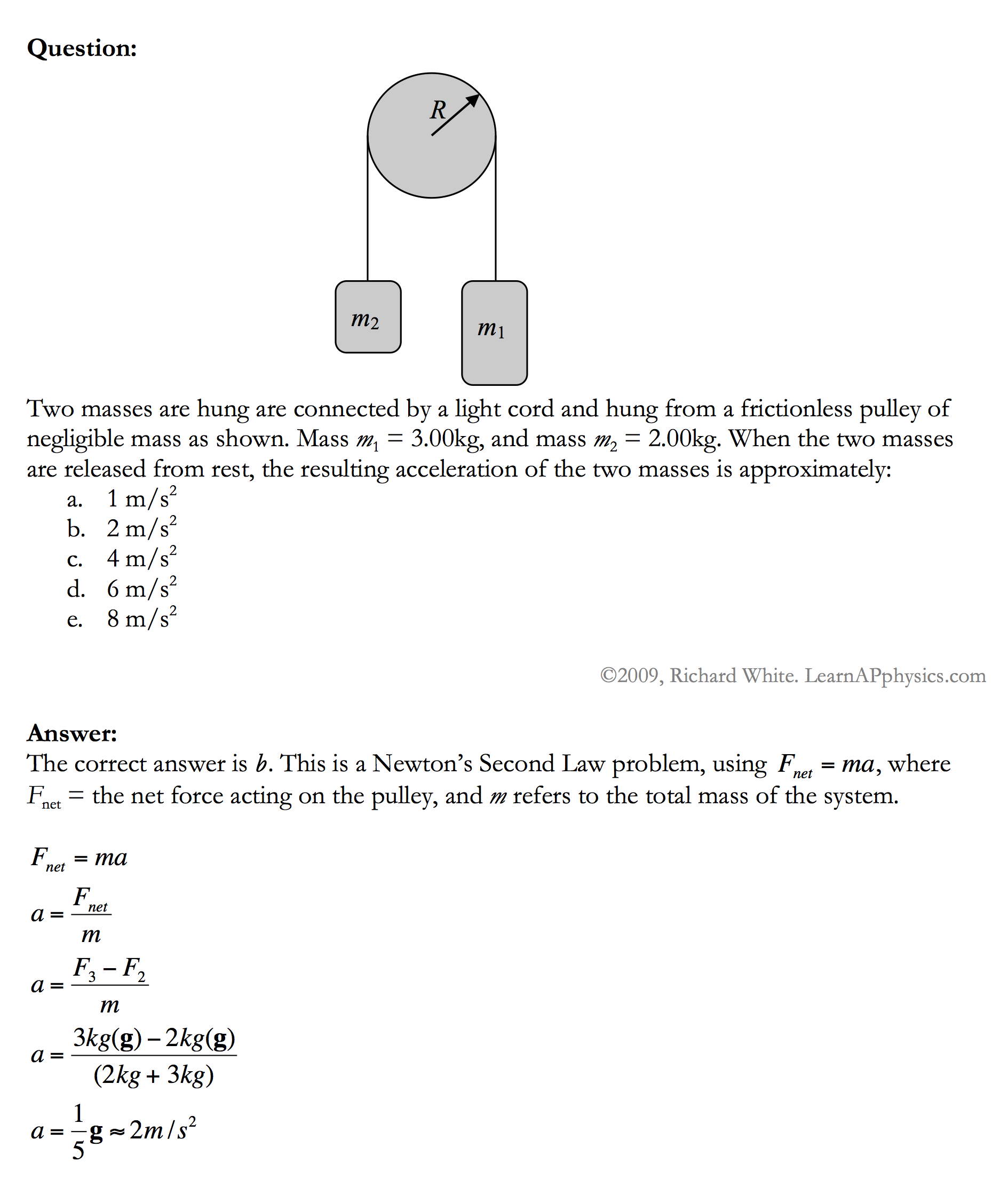
Isaac Newton's Three Laws of Motion derived in part from the work of Galileo, and were published in the Philosophiæ Naturalis Principia Mathematica in 1687. This work is still considered by many to be the greatest single scientific text of all time. Newton's Second Law of Motion, Fnet=ma, is the foundation of Classical Mechanics.
Newton's Laws of Motion Video Lessons
- Inertia (Mechanical Universe, Episode 4)
- Newton's Laws (Mechanical Universe, Episode 6)
- Fundamental Forces (Mechanical Universe, Episode 10)
- Gravity, Electricity, and Magnetism (Mechanical Universe, Episode 11)
- Integration (Mechanical Universe, Episode 7)
Multiple-Choice Practice Problems
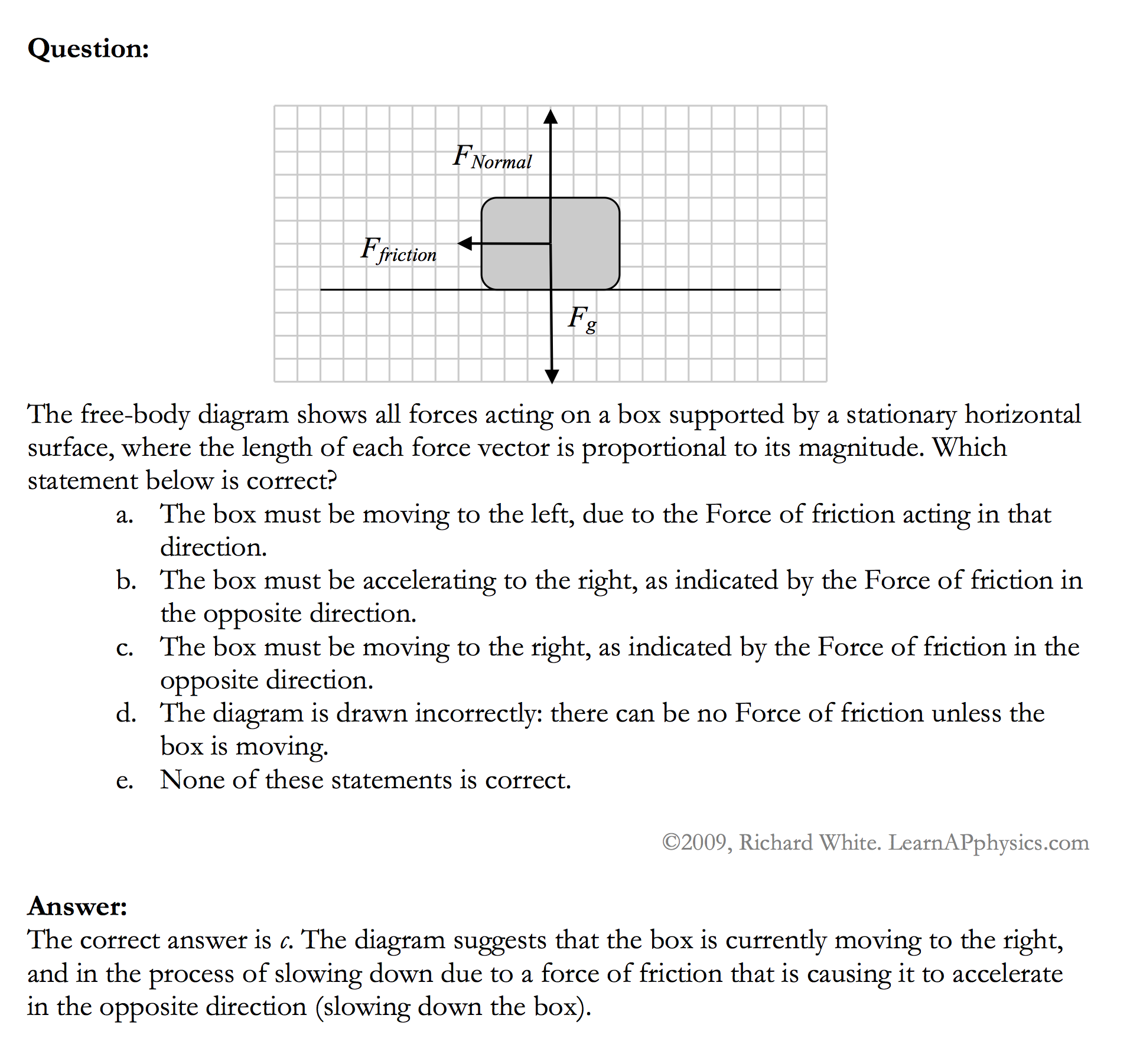
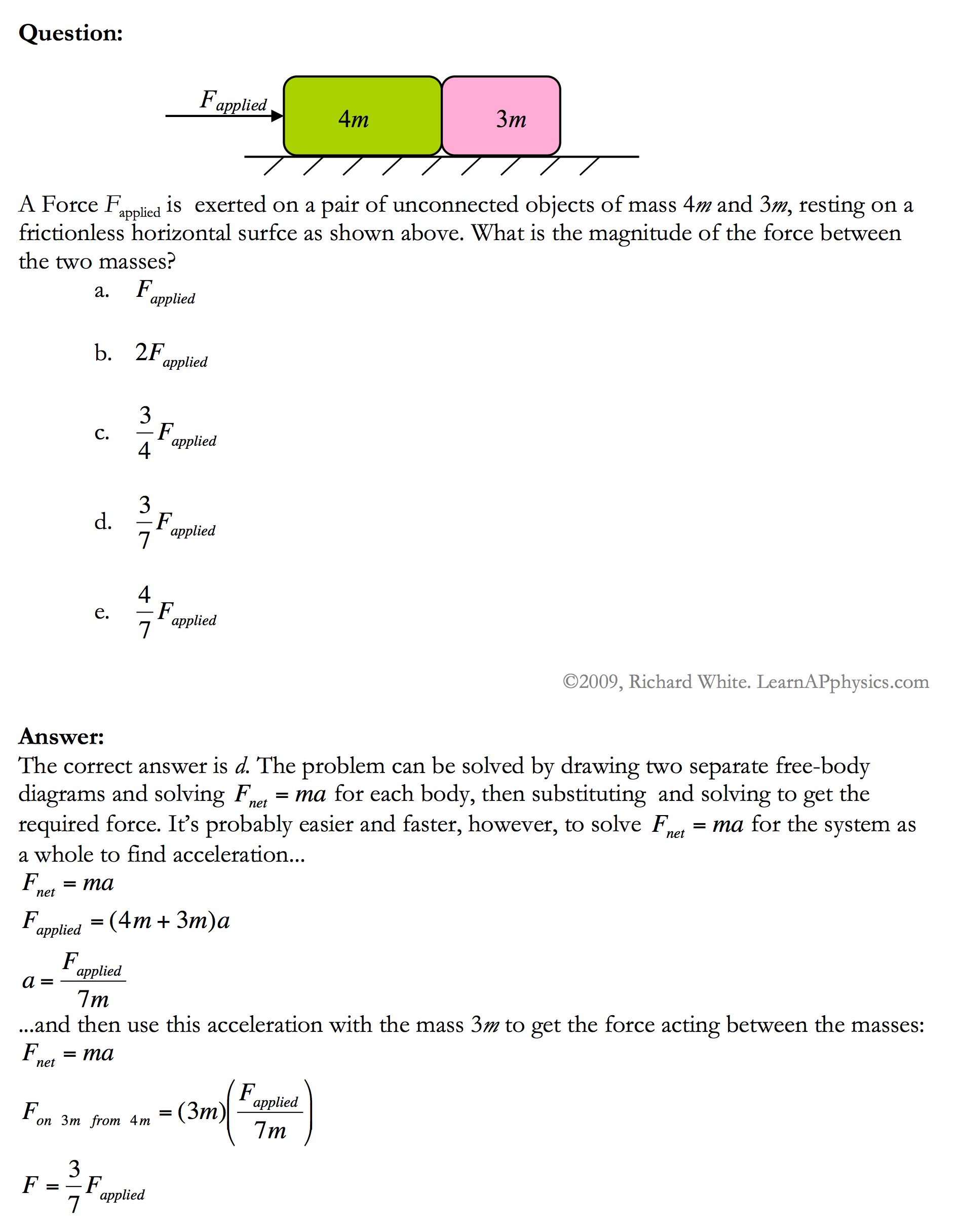
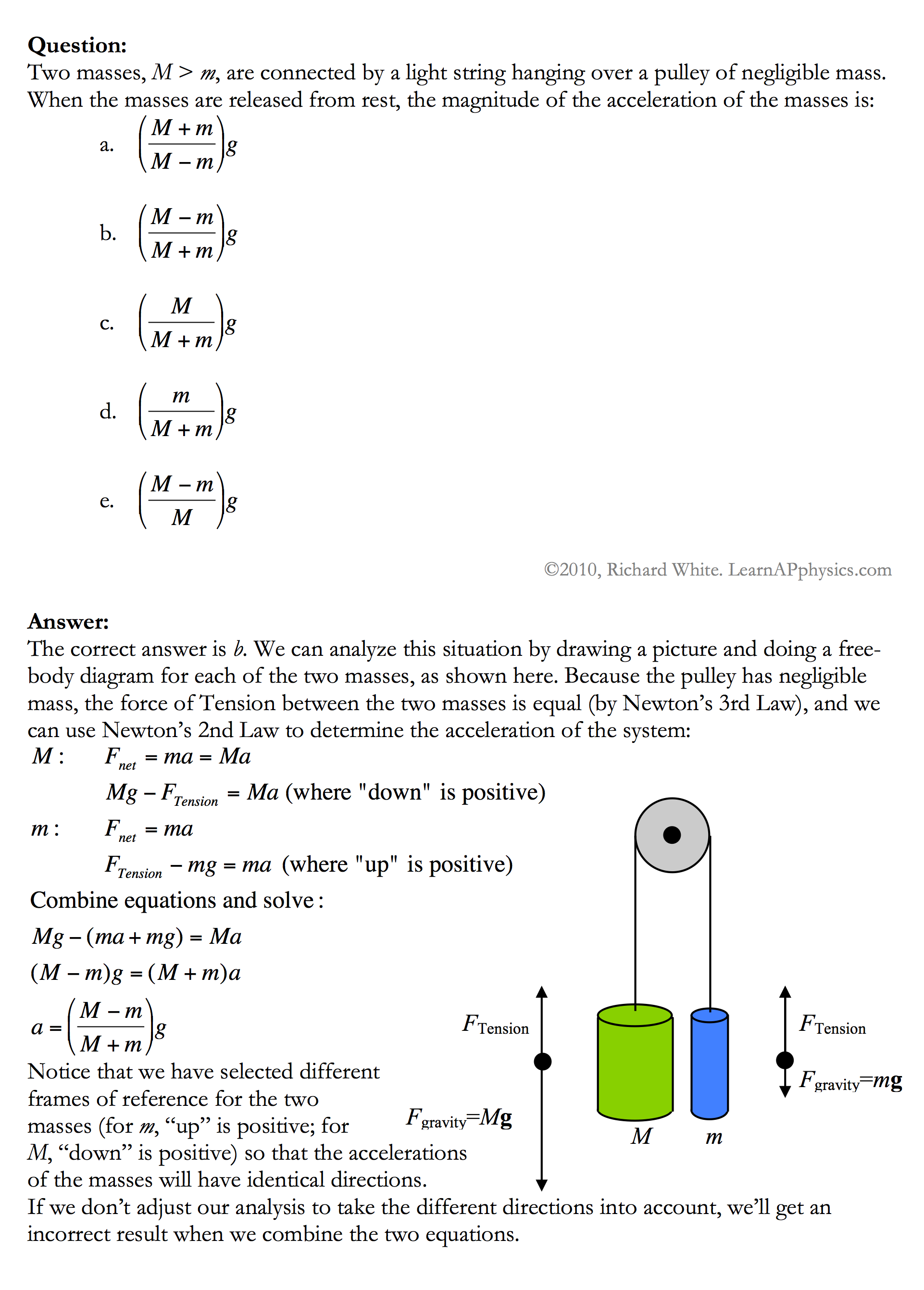
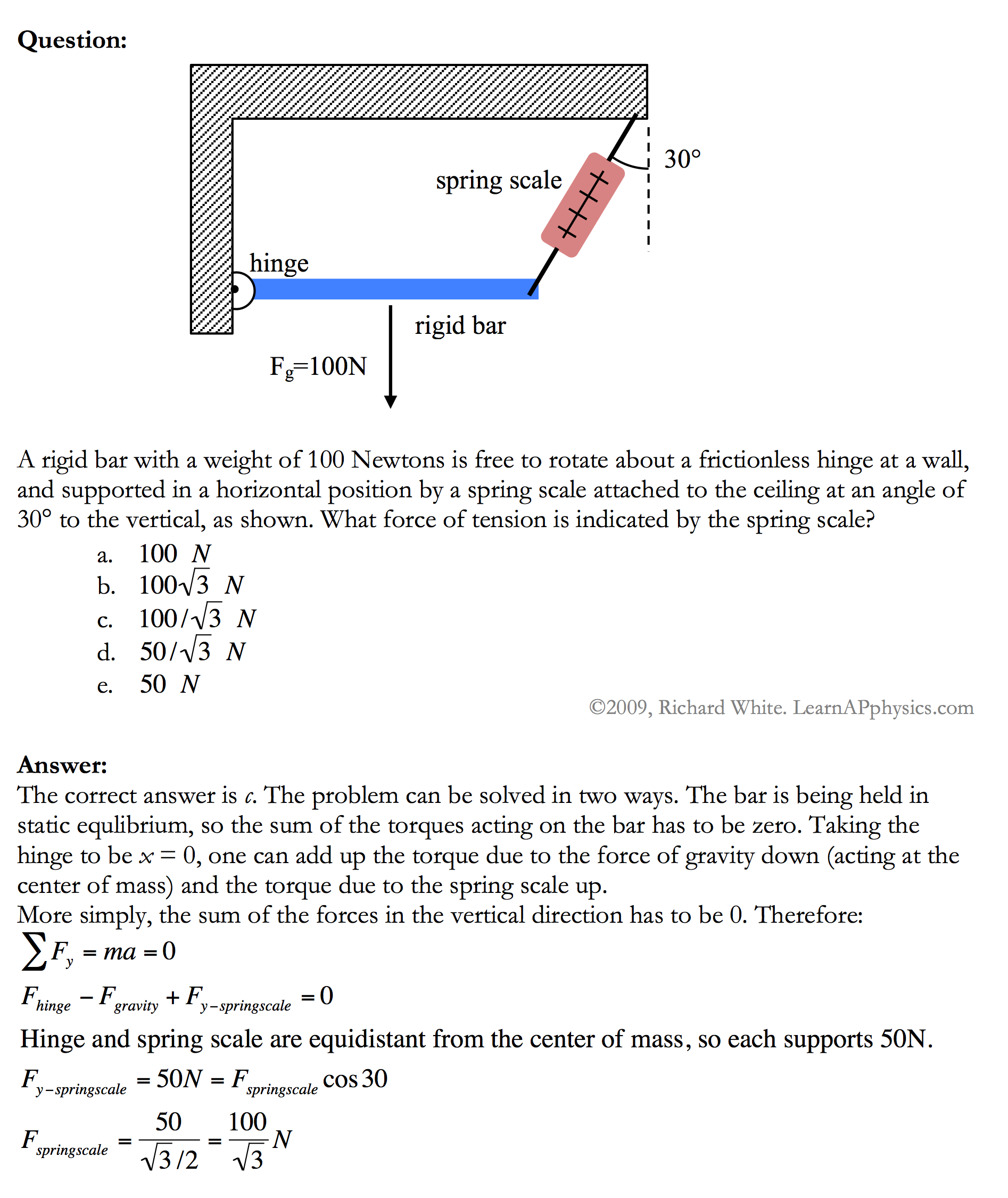
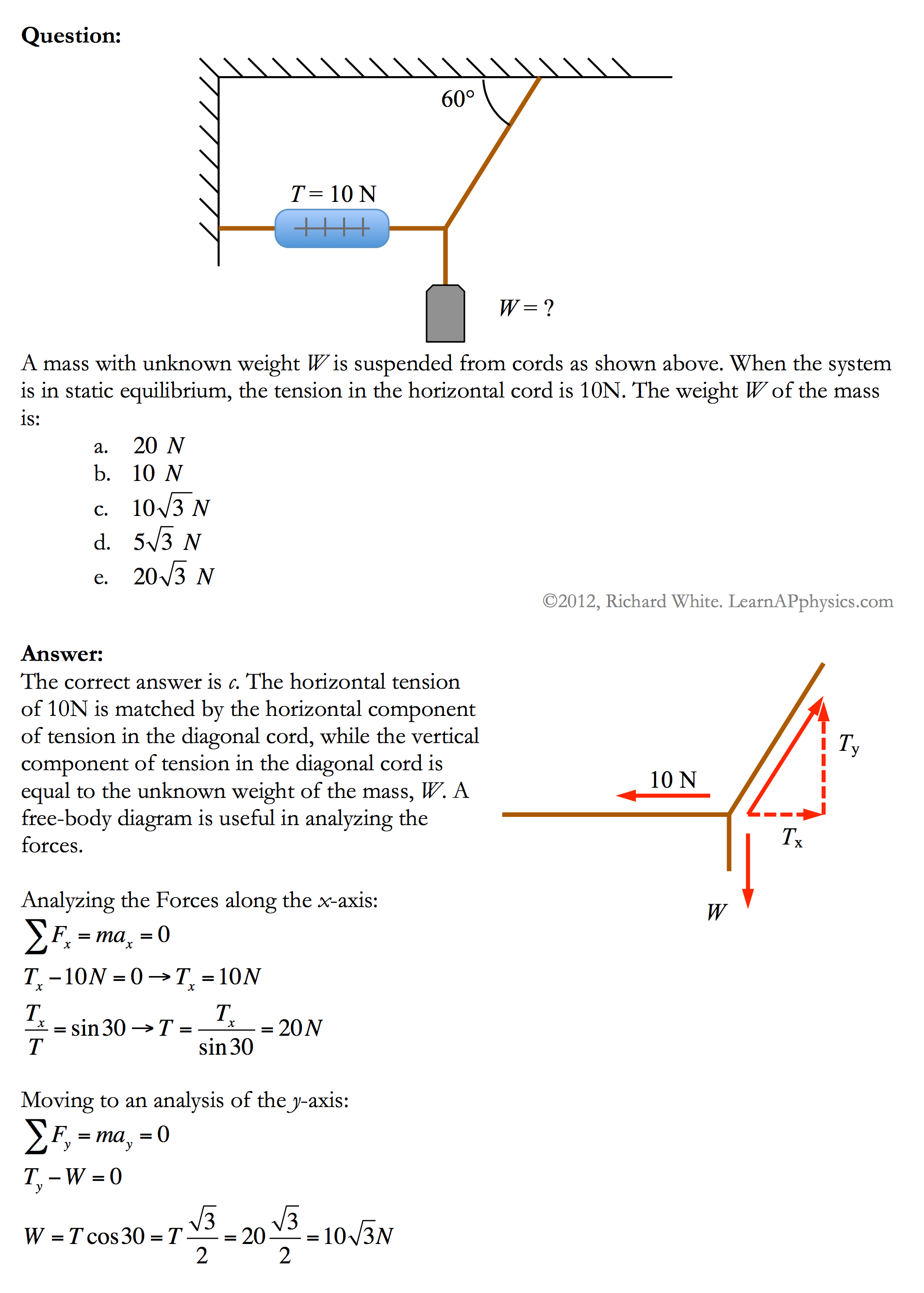
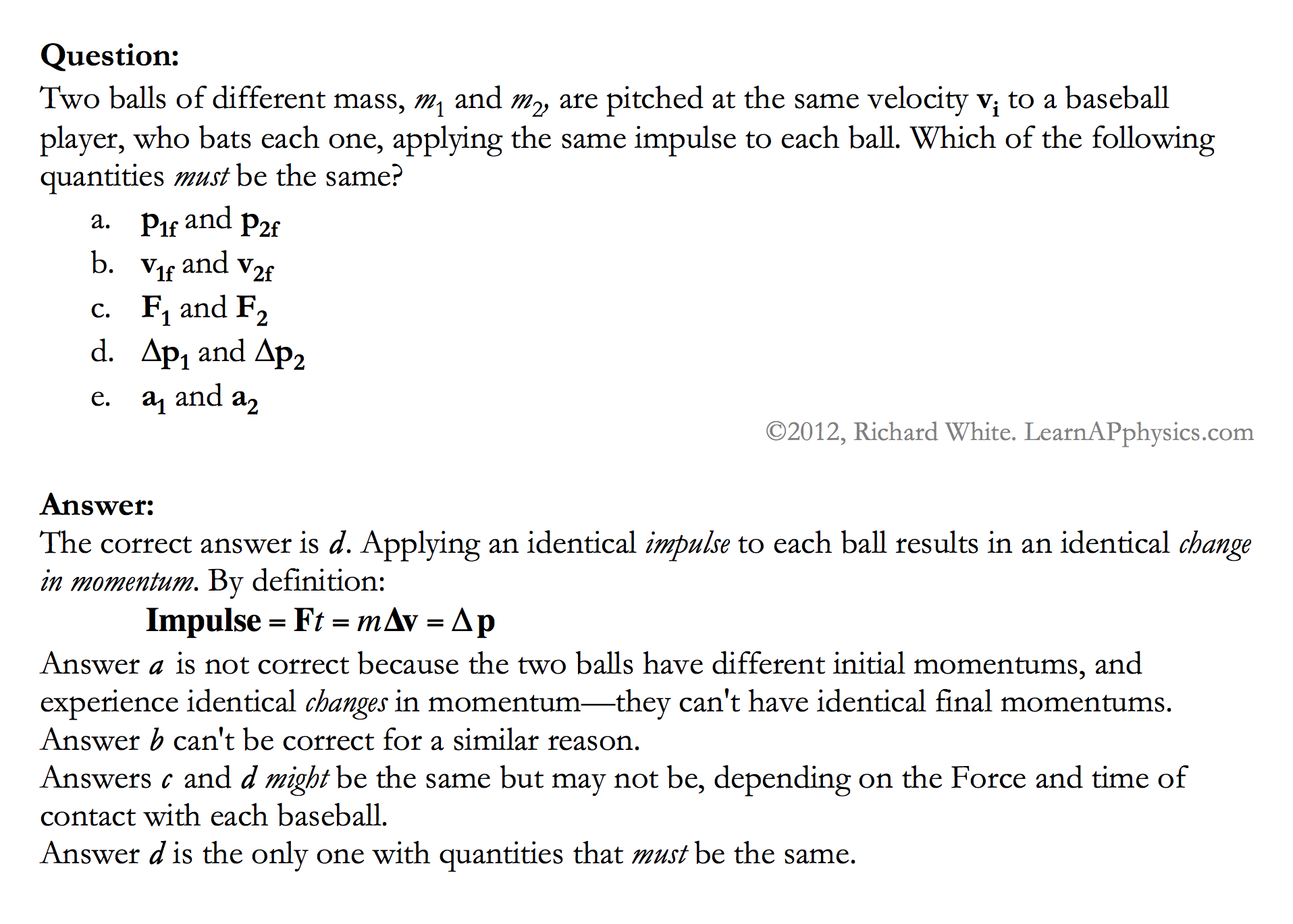
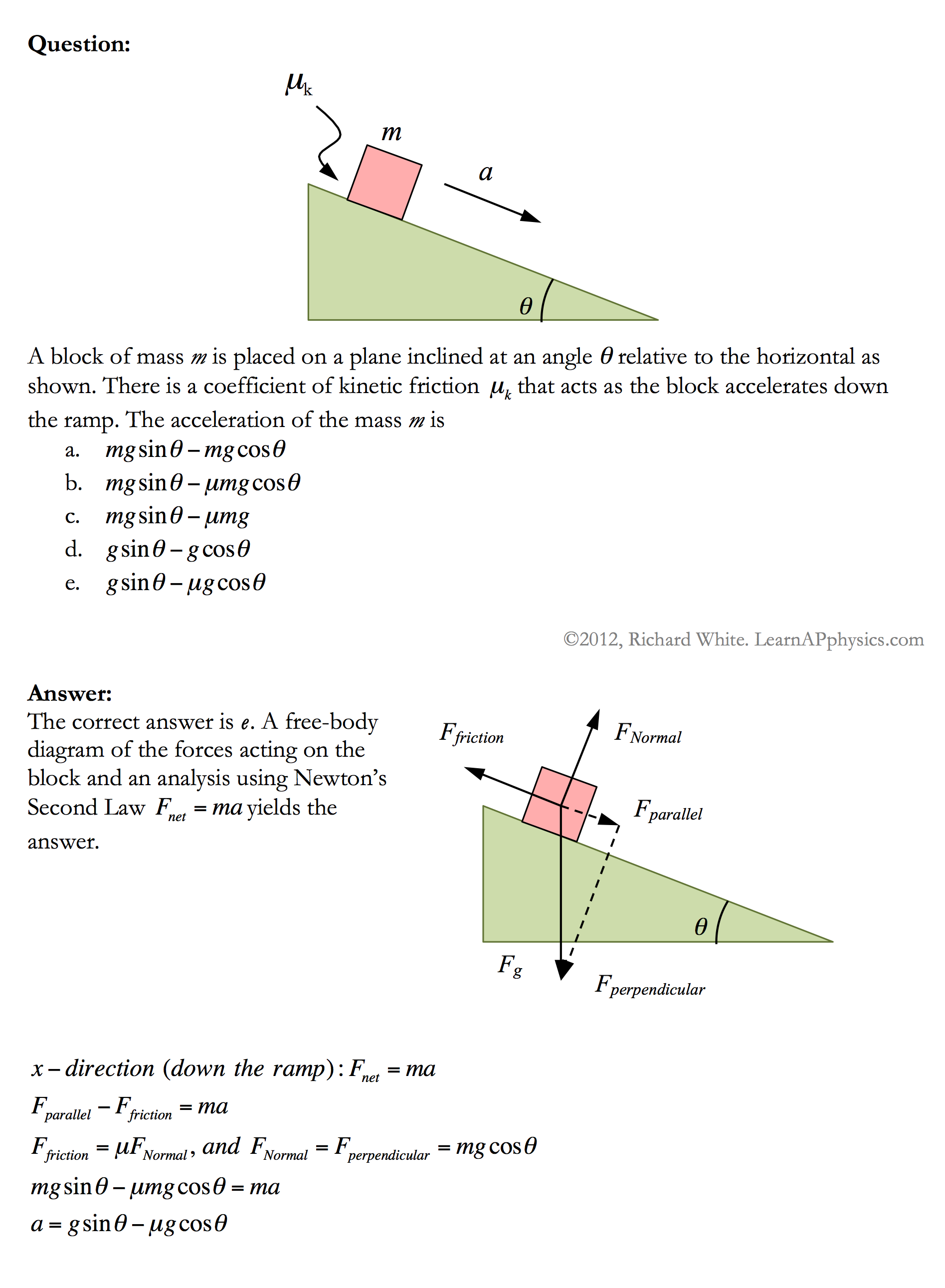
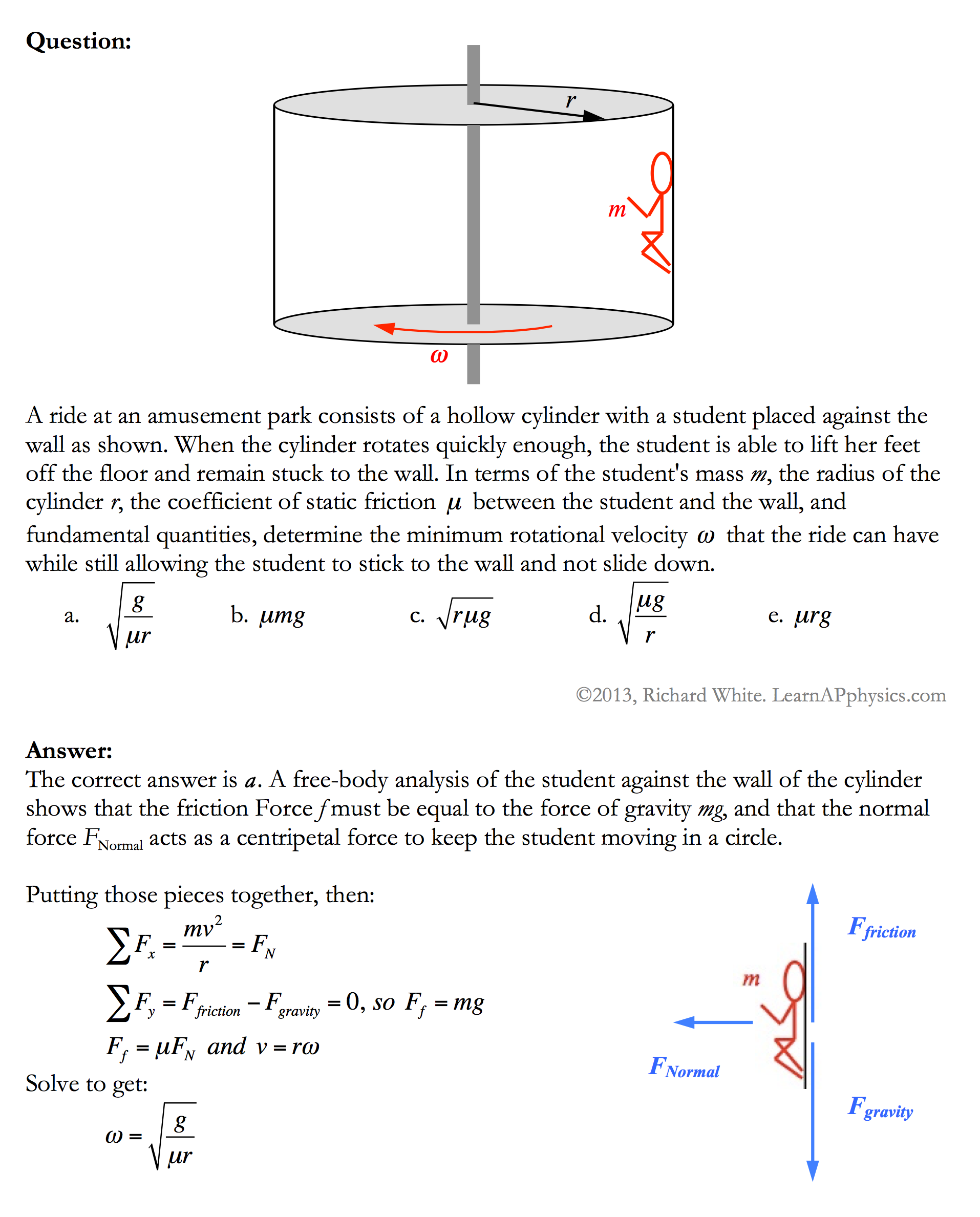
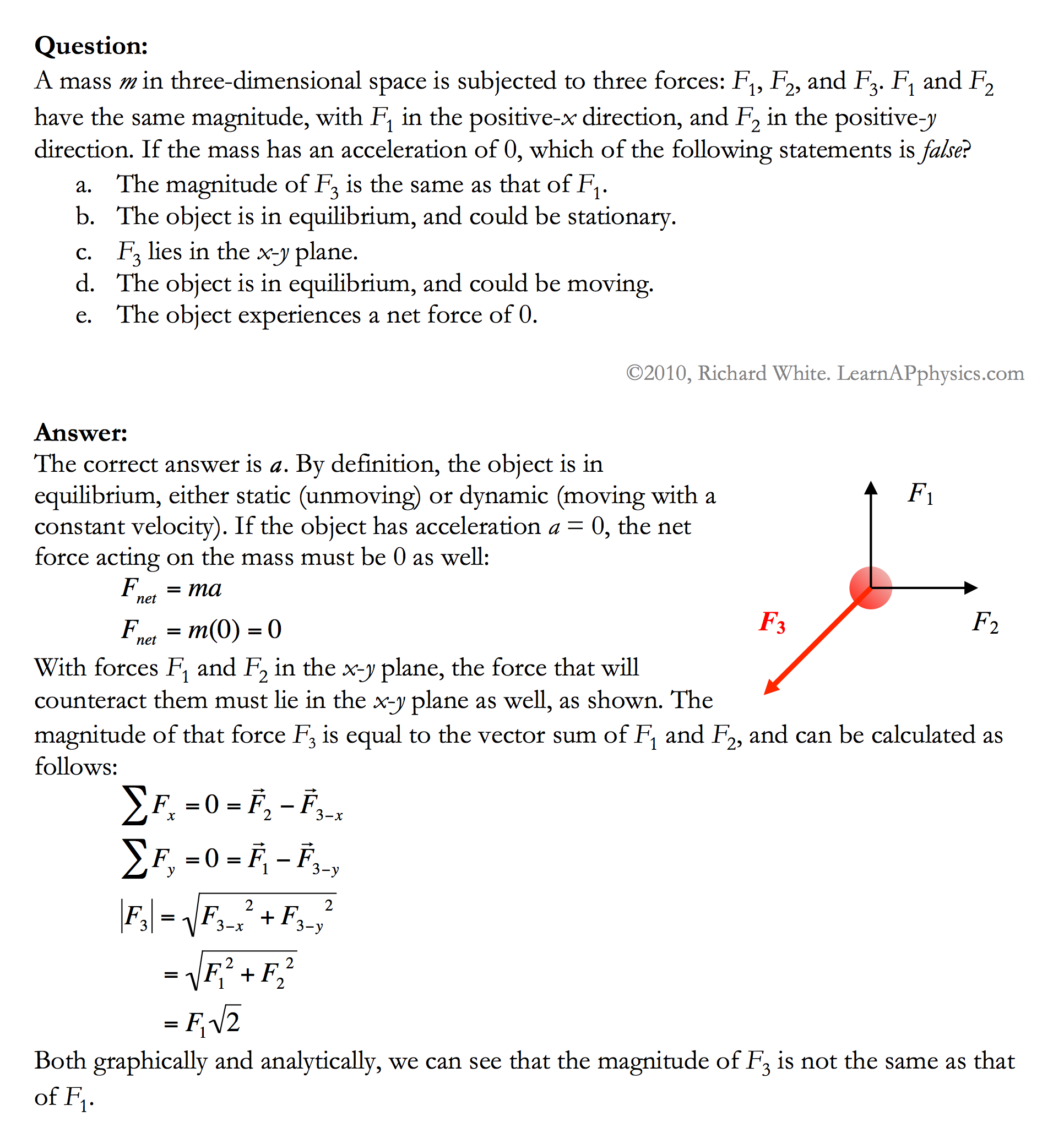
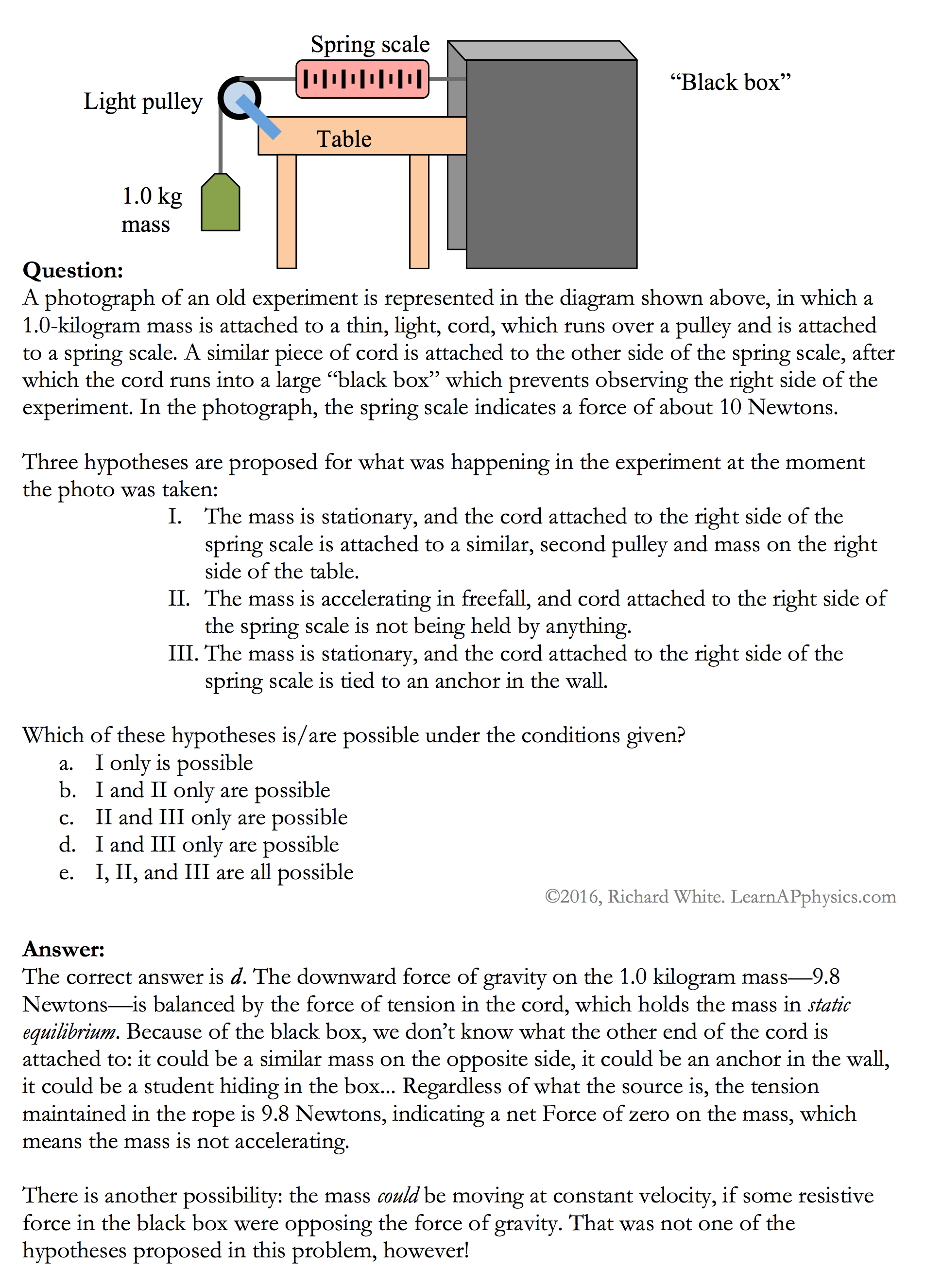
Scroll down to see multiple choice practice problems in Newton's Three Laws of Motion.